
Allen Duhé
REALTOR®, CRS, GRI, MRP, REL, MBA



Just Ask Allen Blog
 RSS Feed
Subscribe and receive email notifications of new blog posts.
RSS Feed
- 2026 | 16 Posts
- 2025 | 96 Posts
- 2024 | 48 Posts
- 2023 | 2 Posts
- 2022 | 1 Posts
- 2020 | 1 Posts
- 2019 | 1 Posts
Baton Rouge, LA | 27 Posts
Community Guides | 3 Posts
Home Tips | 32 Posts
Lafayette, LA | 31 Posts
New Orleans, LA | 58 Posts
Real Estate Tips | 13 Posts
Uncategorized | 1 Posts
May
1
1
National Hurricane Preparedness Week: Tips for Getting Your Home Ready for Hurricane Season
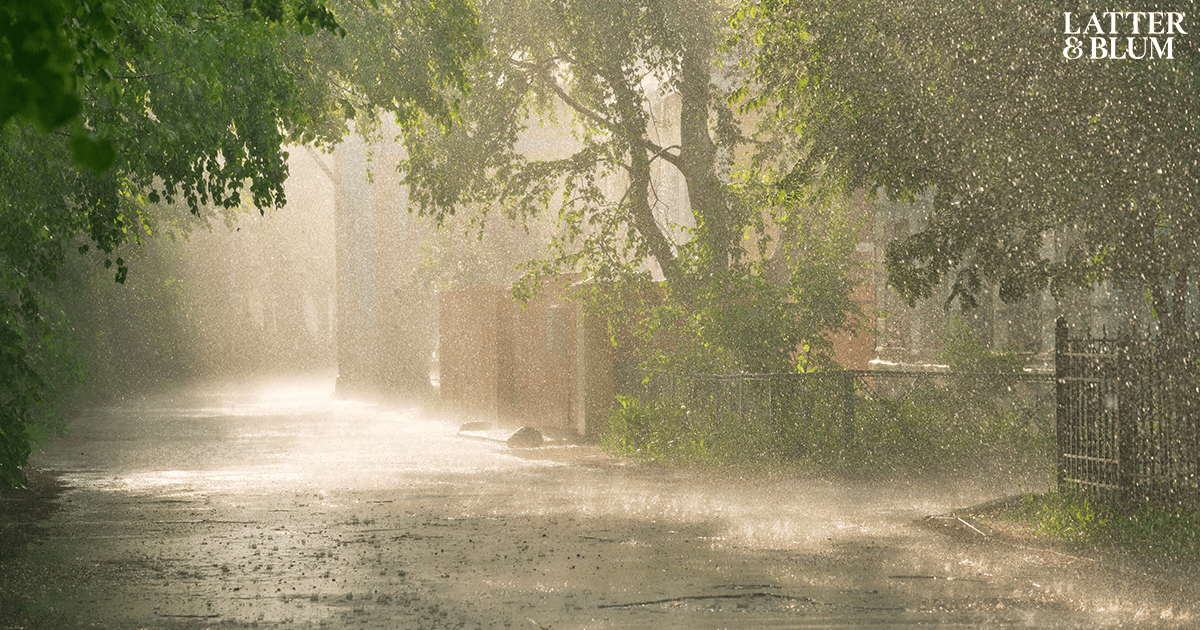
Hurricanes are among the most devastating disasters in the United States. Our Realtors® know the security of your beautiful home and the safety of your family are paramount.
April 30 through May 6 is National Hurricane Preparedness Week. From that date, you have a full month until the official start of the Atlantic hurricane season. The season starts on June 1st and ends at the end of November, with a peak tending to fall around September or October.
Let's take a look at some of the steps you can take to safeguard your home:
- Get the Official Scoop on the Coming Season
Some hurricane seasons are highly active, while others include barely any storms. While nobody can predict the future, it is a wise idea to check out this year's hurricane outlooks released by experts. In 2023, a slightly below-normal hurricane season is expected. - Have Your Roof Professionally Inspected
A professional roof inspection is a must before hurricane season, and doing it now will give you enough time to get any necessary roof repairs done. A shingle roof should be inspected every year without fail. Residential metal roofing should be inspected at least every other year. - Stock Your Home with Appropriate Supplies
Disaster supplies should include at least a week (and preferably a month) of shelf-stable food and water, as well as batteries, a charger, a radio, and cash. If possible, try to get medication prescriptions in three-month supplies. Ensure important paperwork is accessible if you must evacuate. - Understand Your Evacuation Route
Evacuation can be a challenge because, by the time "everyone" decides to go, it is often too late. Routes can become clogged, and you could find yourself sitting in traffic as a storm bears down. Know where to go in the event of an evacuation and, just as crucially, make plans to leave when it is still safe to do so. - Update Your Insurance
Once a storm arrives, it is too late to get help or support. Call in advance to make certain you have sufficient insurance for the replacement value of your home and belongings. You may be required to photograph pricey items and submit them in advance. - Create a Communication Plan
A communication plan ensures that everybody in your family knows what to do in an emergency, even if separated. Remember, there is no guarantee smartphones will work reliably throughout a hurricane. All emergency contacts should be written out on paper along with in-town and out-of-town meeting places. - Prepare Your Yard
Your yard can turn into a critical weakness when rain and wind arrive. Anything left out in the yard may transform into a projectile. Make sure trees are trimmed, yard waste is removed, and outdoor furnishings are brought inside. Large, heavy objects do best in the garage, not in an outdoor shed. - Reinforce Your Home
When you need to do it yourself, aluminum or steel panels are your best bet when boarding up your windows. Storm shutters rated to withstand wind and impacts are even better. Remember that you might even be able to reduce your insurance premiums by installing these. - Purchase Plenty of Sandbags
In most jurisdictions, flood insurance has a waiting period of 30 days. Hedge your bets by purchasing lots of sandbags. Sandbags help stymie the advance of flood waters. When properly filled and placed, they'll route the water around affected buildings rather than into them.
Contact us to discover local real estate.

Allen Duhé
Office: (337) 233-9700
Cell: (337) 254-7812
Fax: (337) 456-2124
Direct: (337) 254-7812
Office: (337) 233-9700
Fax: (337) 456-2124
Email Me


Latter & Blum
430 Notre Dame St.
New Orleans, LA 70130
(866) 794-1022
Privacy Policy / DMCA Notice / ADA Accessibility


This site is hosted, designed and copyright
© 1994 - 2026 by
Delta Media Group, Inc. -- Patent Pending --
Agency License Information: Latter & Blum | Compass is licensed in Louisiana, Texas and Mississippi.